FROM incubation lab
TO GLOBAL APP
CHALLENGE
A BEHAVIORAL
CRISIS
Distracted driving fatalities had hit a five-year high. We realized that traditional, scare-tactic advertising wasn't changing teen drivers’ behavior. They were immune to the messaging. To solve a modern behavioral problem, we realized we couldn't just talk at teens, we had to co-create a solution with them.
SOLUTION
A TEEN
INCUBATOR
Instead of guessing what our audience wanted, we launched the Chevy Hack Lab, an R&D incubator designed to source peer-driven solutions directly from the demographic most at risk. The winning prototype was developed into Call Me Out, a fully functioning behavioral app and social movement that used peer pressure for good.
MY ROLE
Global Content Studio Creative Lead, overseeing the end-to-end development of the initiative, mentoring the initial teen incubator, guiding the digital product design, and directing the global, multi-channel launch campaign.
RESULTS AT A GLANCE
95%
of all notifications ignored while driving.
2M+
total notifications avoided by users while driving.
CANNES
App revealed on the Cannes Lions Innovation Stage.
356K+
texts ignored while driving.
THE LAB
To build innovation that teens would actually adopt, we had to give them the keys. We launched a weekend accelerator that turned the demographic most at risk into the architects of their own solution.
THE CHEVY HACK LAB
29 TEEN INNOVATORS.
ONE MANDATE.
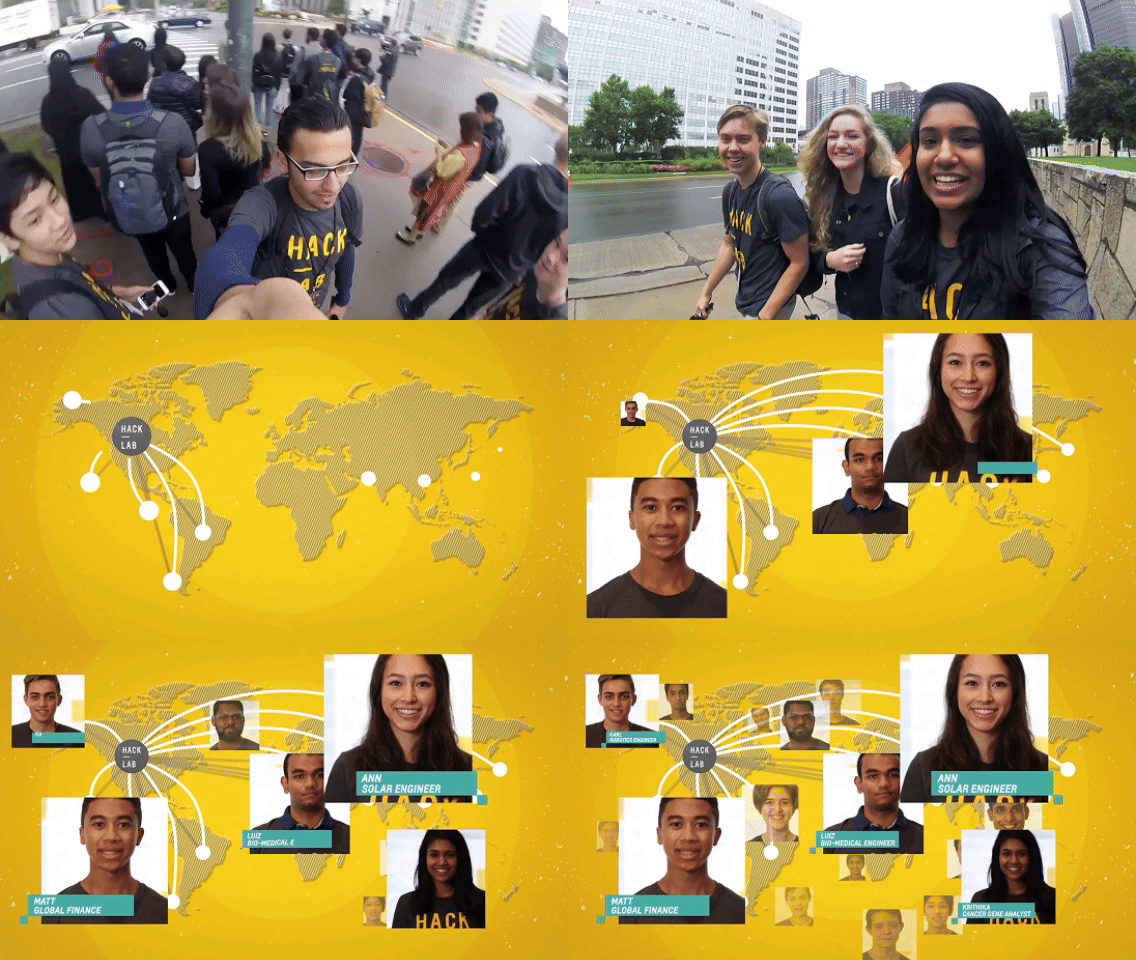
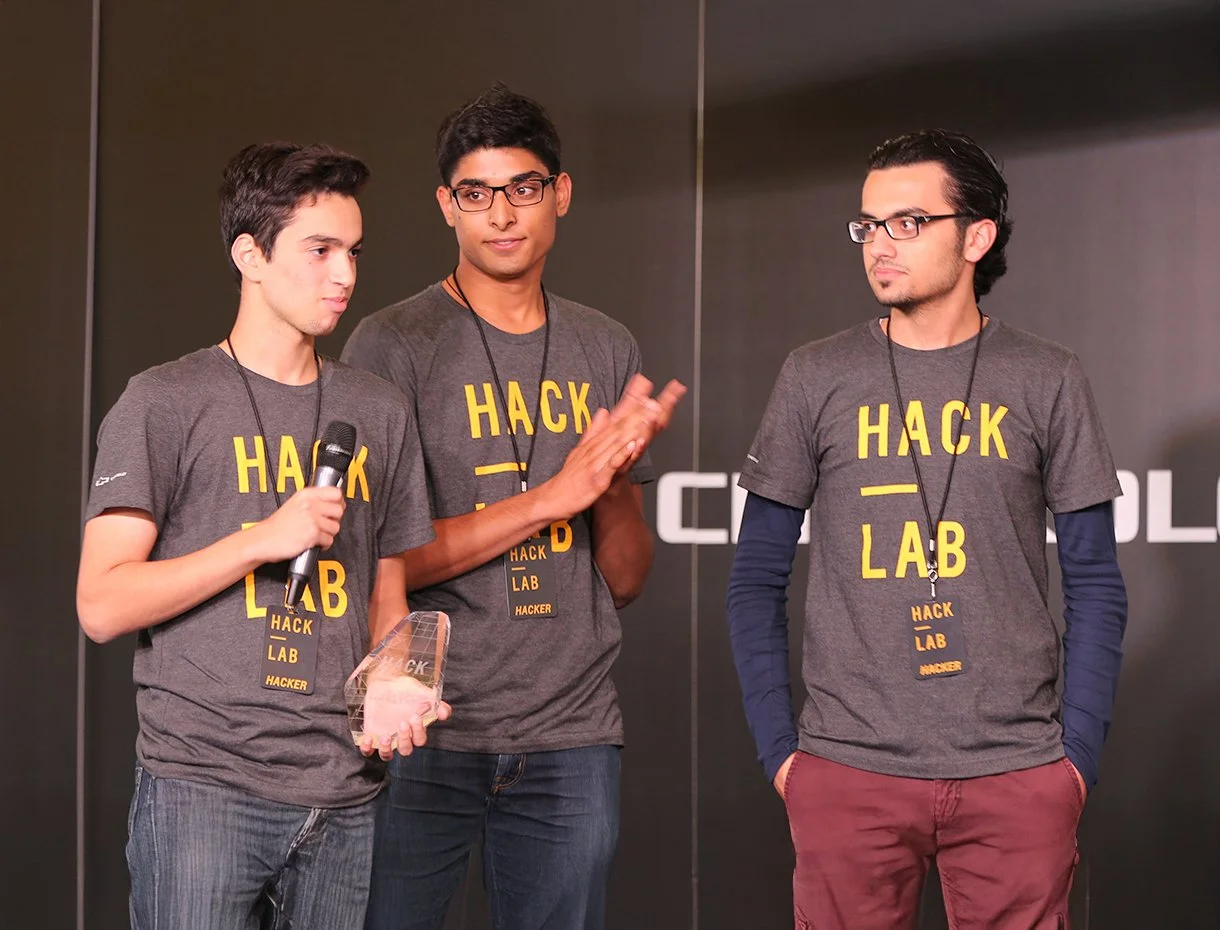
We invited 29 of the world’s brightest young minds in STEM and activism to a weekend accelerator. Based on the insight that 78% of young drivers would stop driving distracted if their friends said it was stupid, their mandate was simple: create a peer-to-peer technology that makes distracted driving socially unacceptable.
GLOBAL PERSPECTIVE
Teens from eight countries brought unique cultural insights to the table, ensuring the resulting ideas and applications resonated on a global scale.
THE WINNING IDEA
EXPErT MENTORSHIP
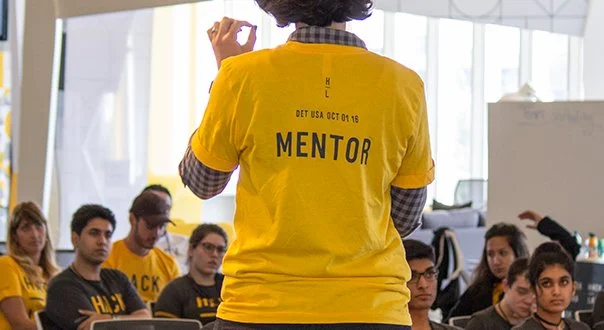
Participants collaborated directly with industry innovators, product designers, and behavioral experts to refine and pressure-test their concepts.
VR SIMULATIONS
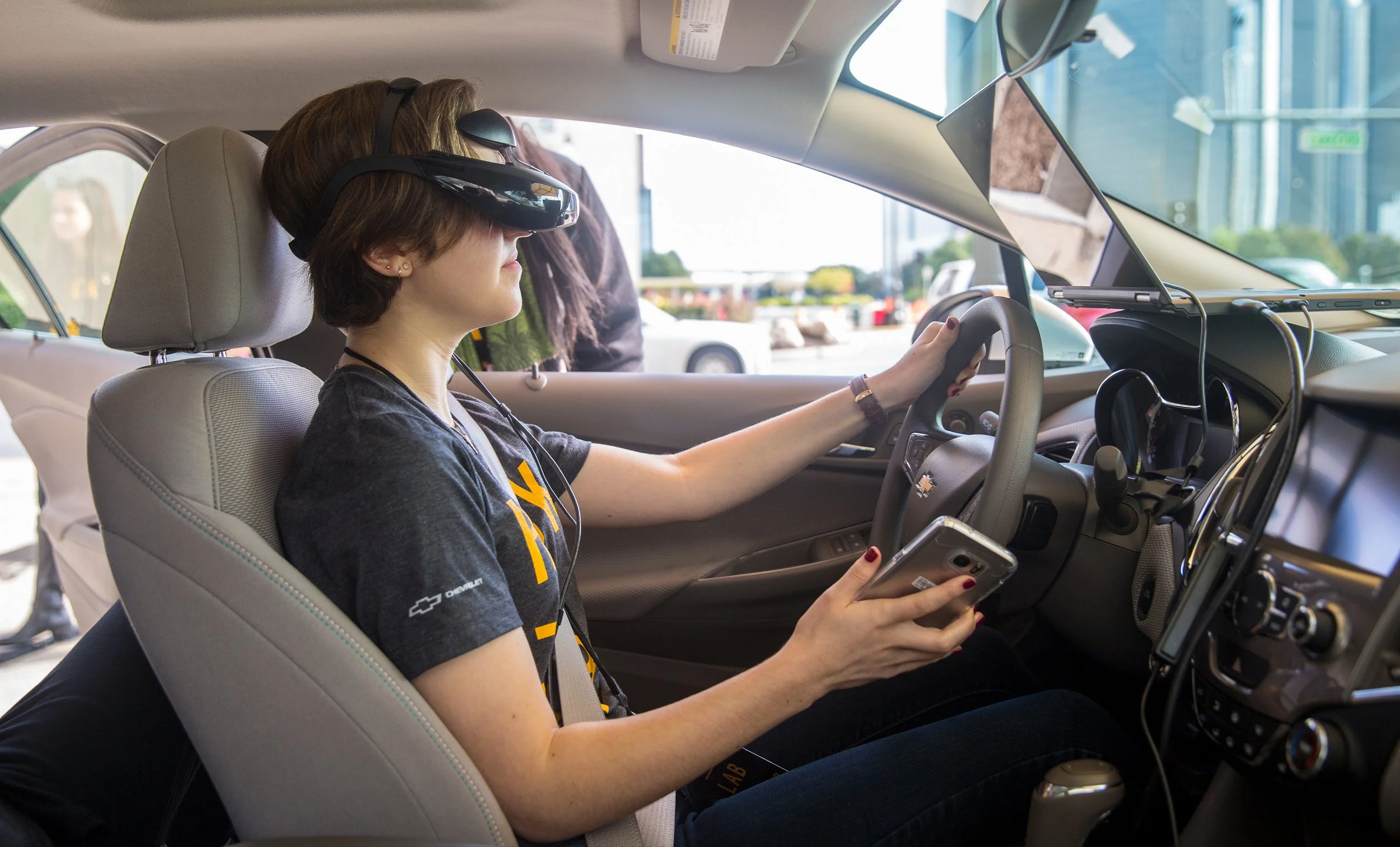
Teams experimented with interactive texting-and-driving simulators, allowing them to immersively test how their ideas could interrupt dangerous behaviors.

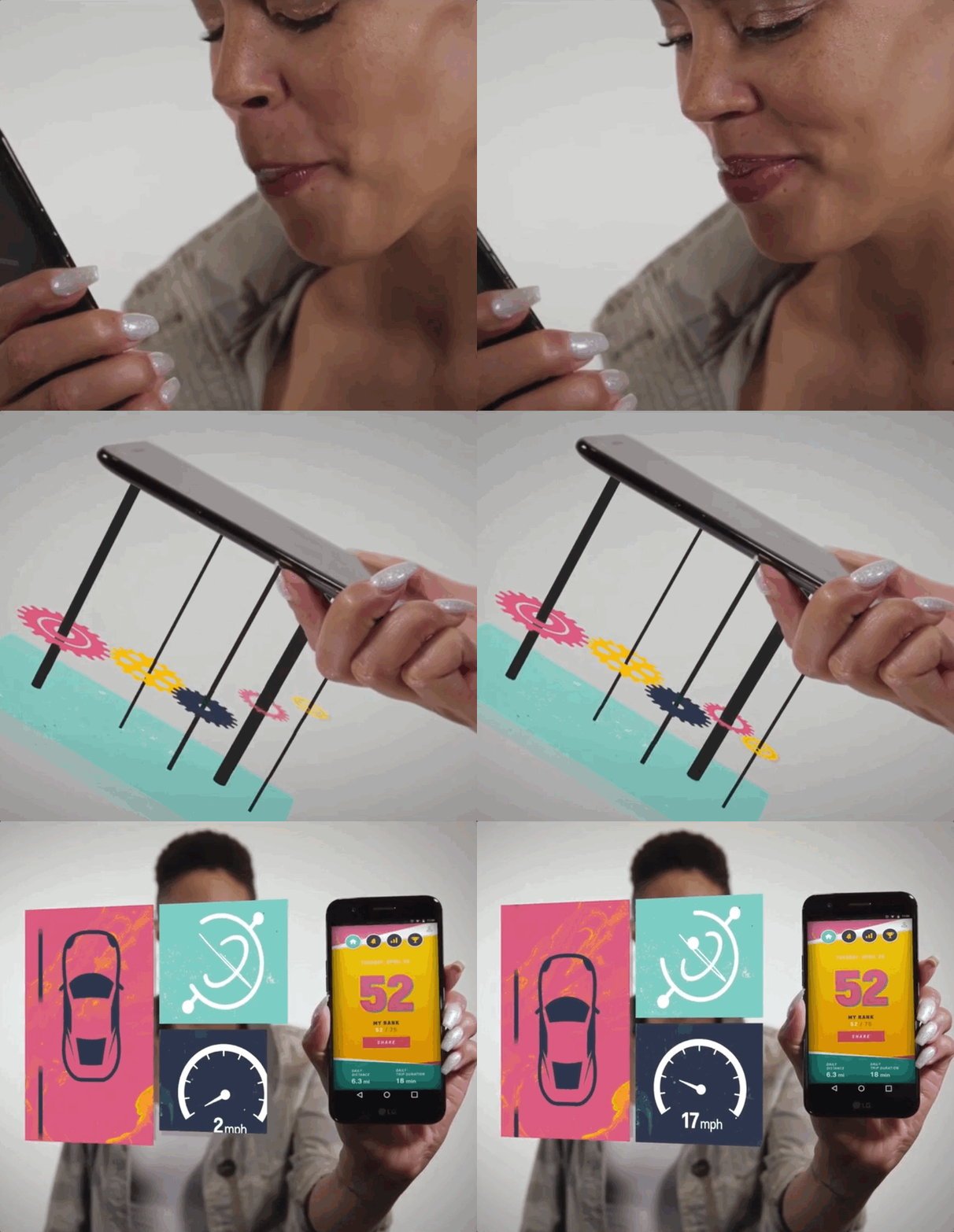
Voted most likely to be adopted, this audible alert system uses the voice of loved ones to personalize the risk of distracted driving. The app allows friends to leave personalized messages for each other. It then uses the phone’s accelerometer to detect when the phone is picked up while traveling at high speeds, triggering the message from your friends.
The concept also includes peer-to-peer gamification, featuring a community scoreboard and rankings.
THE DEVELOPMENT PIPELINE
Idea ➜ Prototype ➜ Proof
App MVP
DESIGNING FOR HABIT
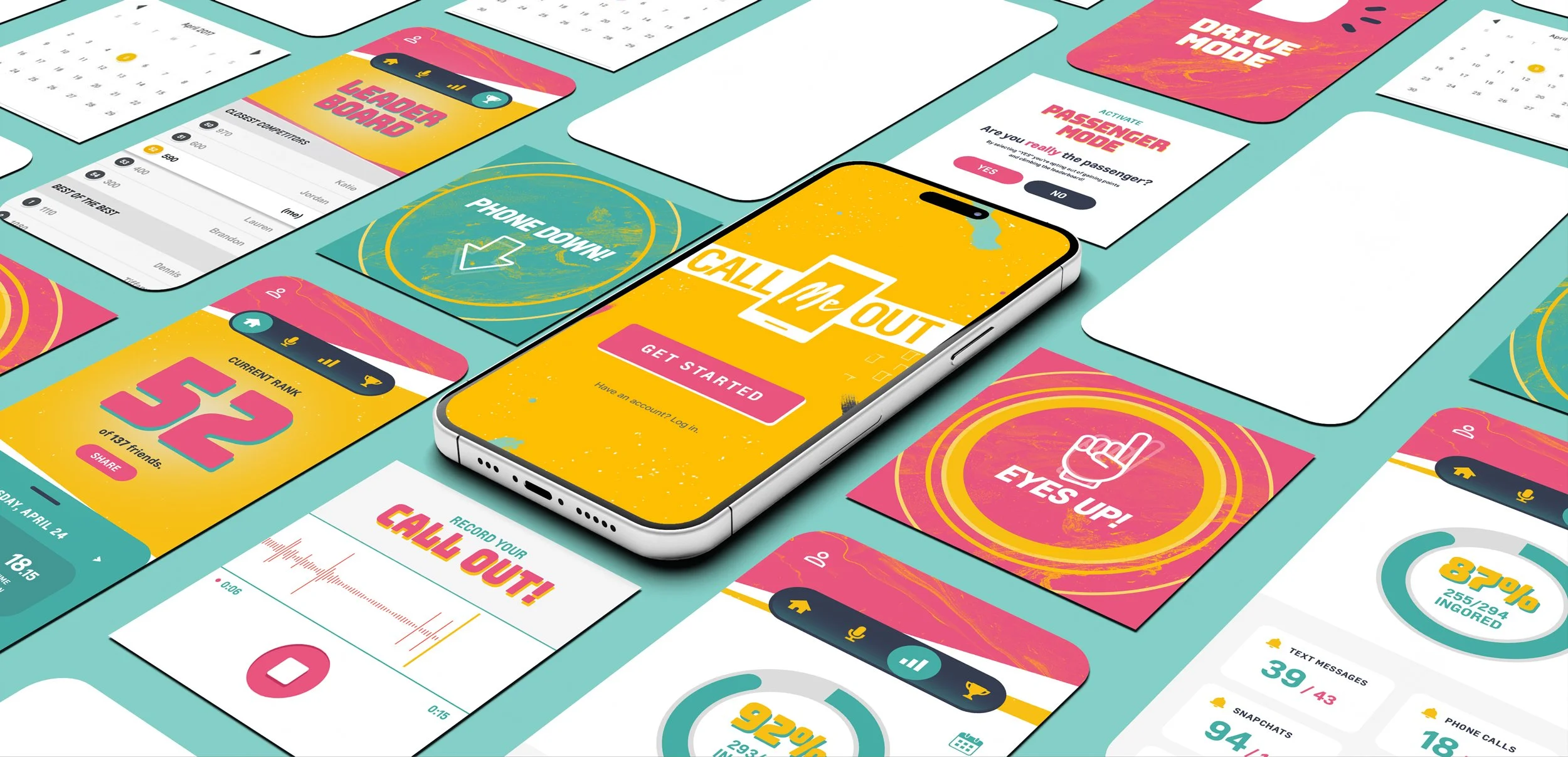
We partnered with digital product studio Majestyk to translate the winning concept into a fully functional MVP.
We designed a UX/UI rooted in behavioral psychology, allowing users to record custom audio "call outs" that triggered when their friend’s phone was handled at driving speeds. We integrated key features like passenger modes, personal analytics, and community leaderboards to drive peer-to-peer gamification and sustained accountability.
BEHAVIORAL VALIDATION
CLINICALLY
FIELD-TESTED
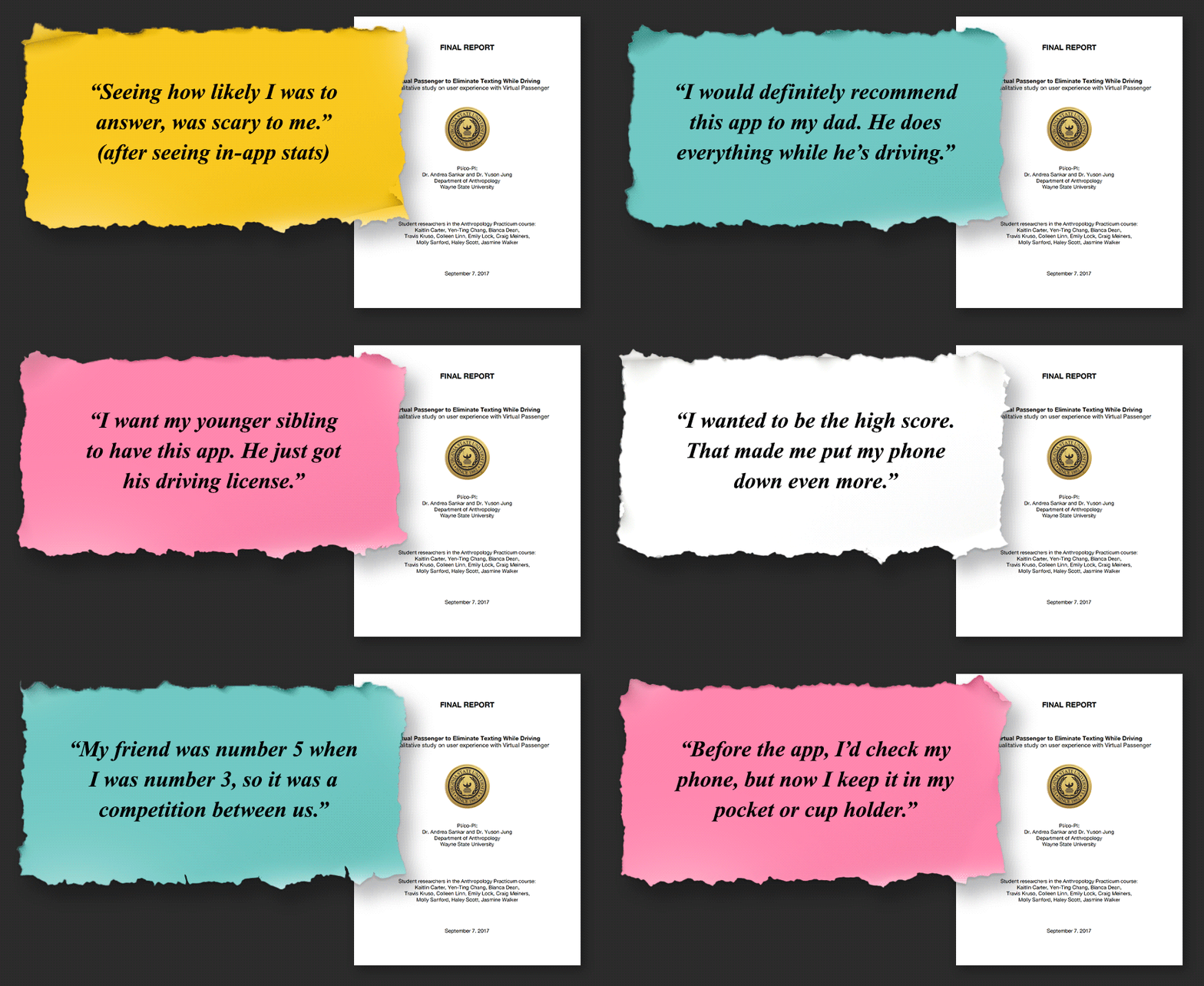
We didn’t just want downloads; we needed proof of behavior change. Before a global rollout, we partnered with Wayne State University’s Anthropology Department to conduct a month-long clinical field study.
Real drivers integrated the beta app into their daily routines, yielding powerful qualitative testimonials and a statistically measurable reduction in distracted driving habits.
THE LAUNCH
To build innovation that teens would actually adopt, we had to give them the keys. We launched a weekend accelerator that turned the demographic most at risk into the architects of their own solution.
GO-TO-MARKET STRATEGY
SCALING THE MOVEMENT
Visual Identity
A teen-approved
look and feel
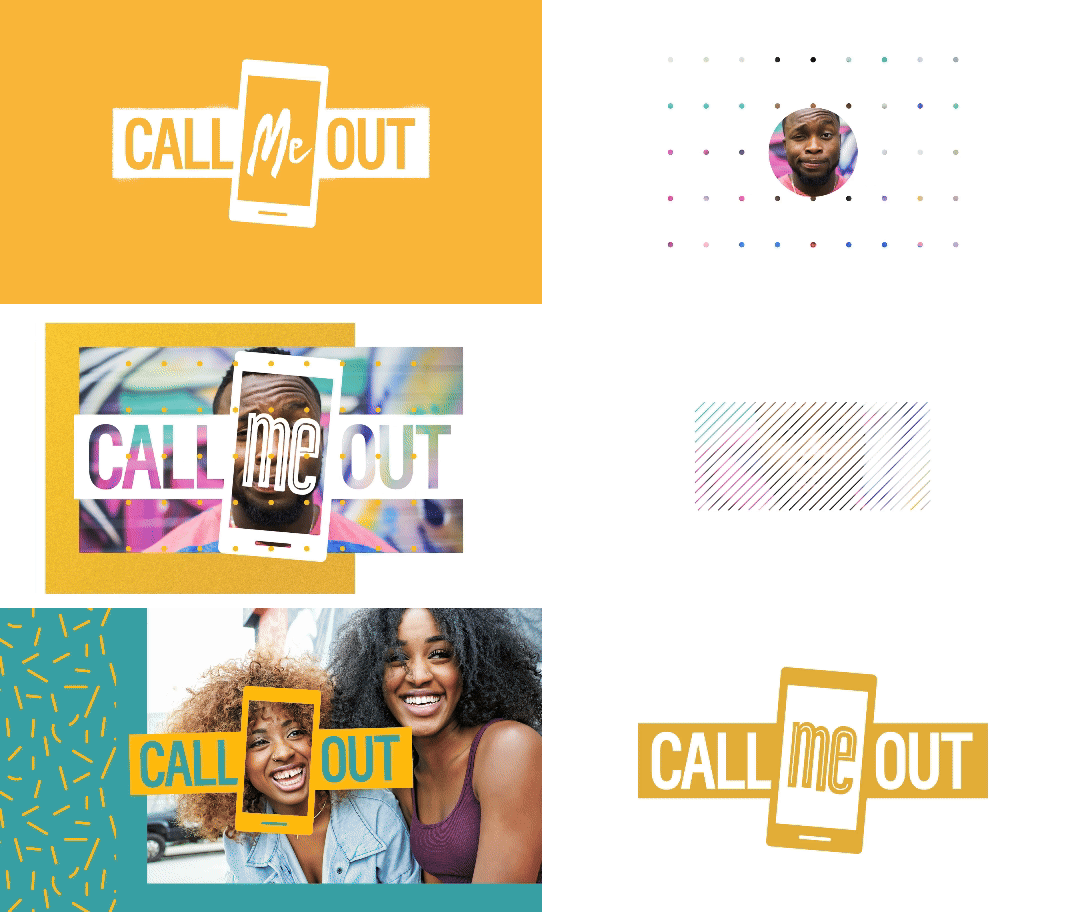
To ensure the app launch didn't feel like a corporate PSA, Chevrolet invested in a bold, youth-friendly visual identity and a custom tone of voice. Every headline, color palette, and UX element was tested with our teen panel to guarantee the brand felt authentic and that nothing felt remotely "cringey" to our target demographic.



Mapping the movement
The “zelley chart”
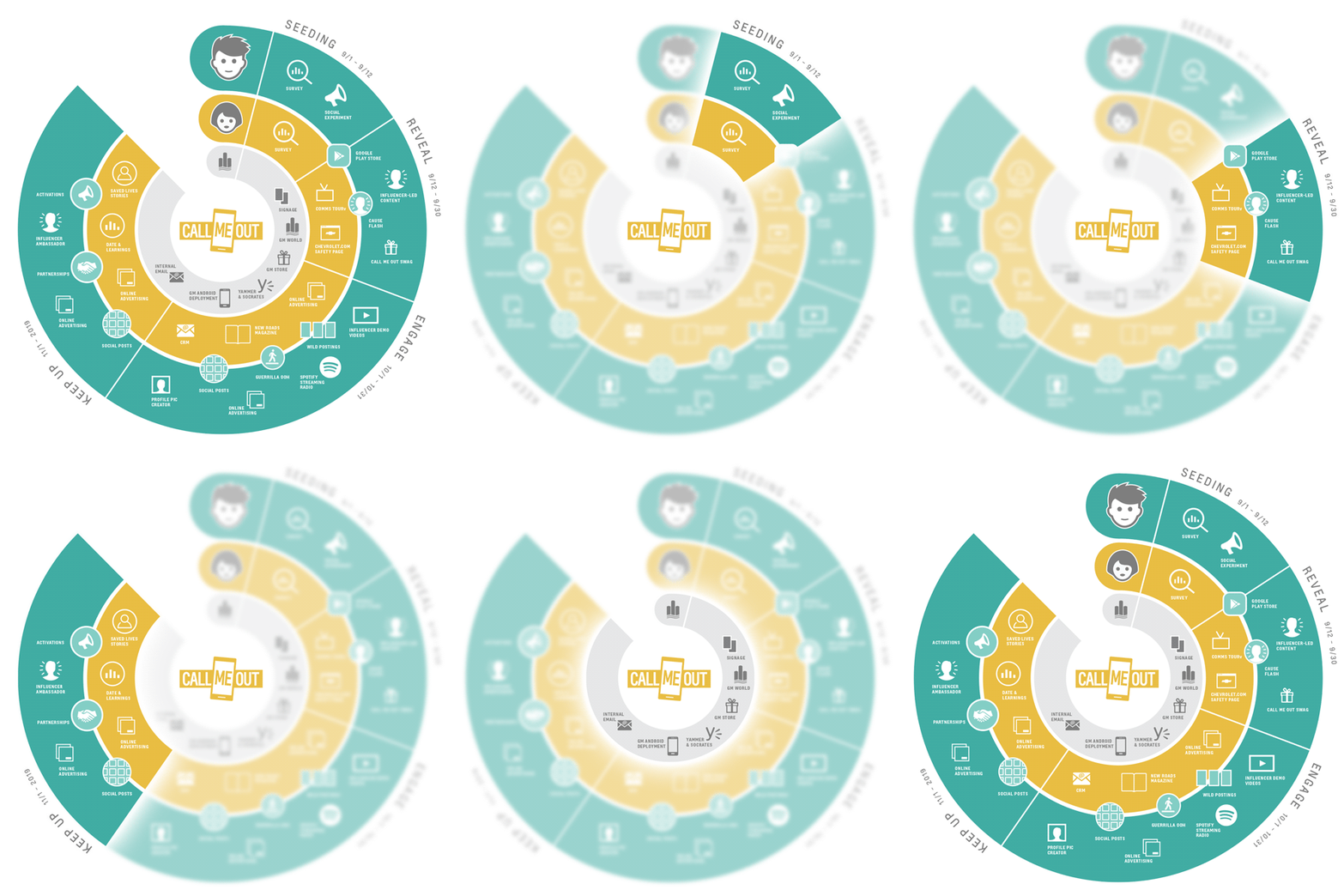
To align agency teams and client stakeholders, I created a campaign visualization breaking down tactics by target audience and campaign stage, from seeding and launch to long-term behavior change. This framework ensured cohesion and purpose across every touchpoint.
Social-first campaign
Influencers gonna influence


Social influence
for good
We developed a multi-tiered influencer campaign featuring both macro and micro creators across YouTube, Instagram, and Snapchat. Influencers like Mike Tompkins, Michelle Khare and the Merrell Twins shared personal stories, demoed the app, and encouraged their followers to download the app, showing that real influence starts with friends.
Branded content + swag
Designed to be shared

From Spotify ads and wild postings to shareable “Call Me Out” cards and IRL swag, every piece of content reinforced the idea that you can count on your friends to help keep you safe, and made it easy to join the movement.
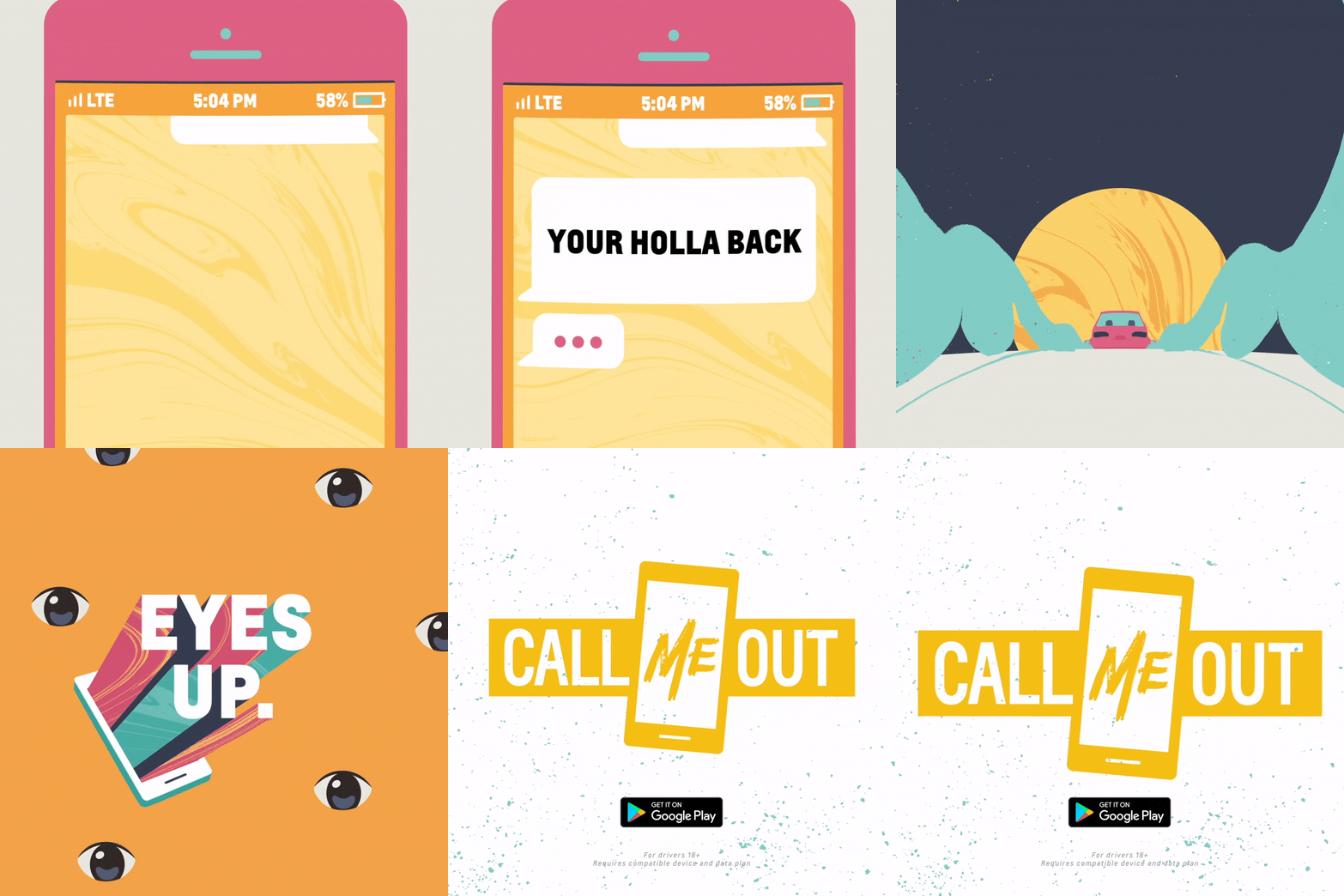
To reach young drivers at the point of licensing, we created an animated Call Me Out PSA for state DMVs. The short-form video blended humor and peer-to-peer messaging to reinforce safer driving habits, and was featured on DMV websites and digital screens in select locations across the country.




impact
What began as a teen-led, global brainstorm became a multi-channel, culture-shifting campaign. By empowering young drivers to take ownership of their habits and hold each other accountable, Call Me Out became proof that peer pressure can save lives.